
Relieve Joint Pain In As Little As 48 Hours — Before It Takes Away Your Independence
The pain-relief industry has spent decades teaching you to manage joint pain. But what if the real problem isn't just the pain — and a simple morning ritual could help you move differently?
 ▶ DISCOVER THE JOINT PAIN TREATMENT PEOPLE ARE TALKING ABOUT
Joint Pain Doesn't Just Hurt. It Takes Away The Things You Thought You'd Always Be Able To Do.
It starts quietly.
You take a little longer getting out of bed.
You wait for your knees to loosen.
You hold the railing on the stairs.
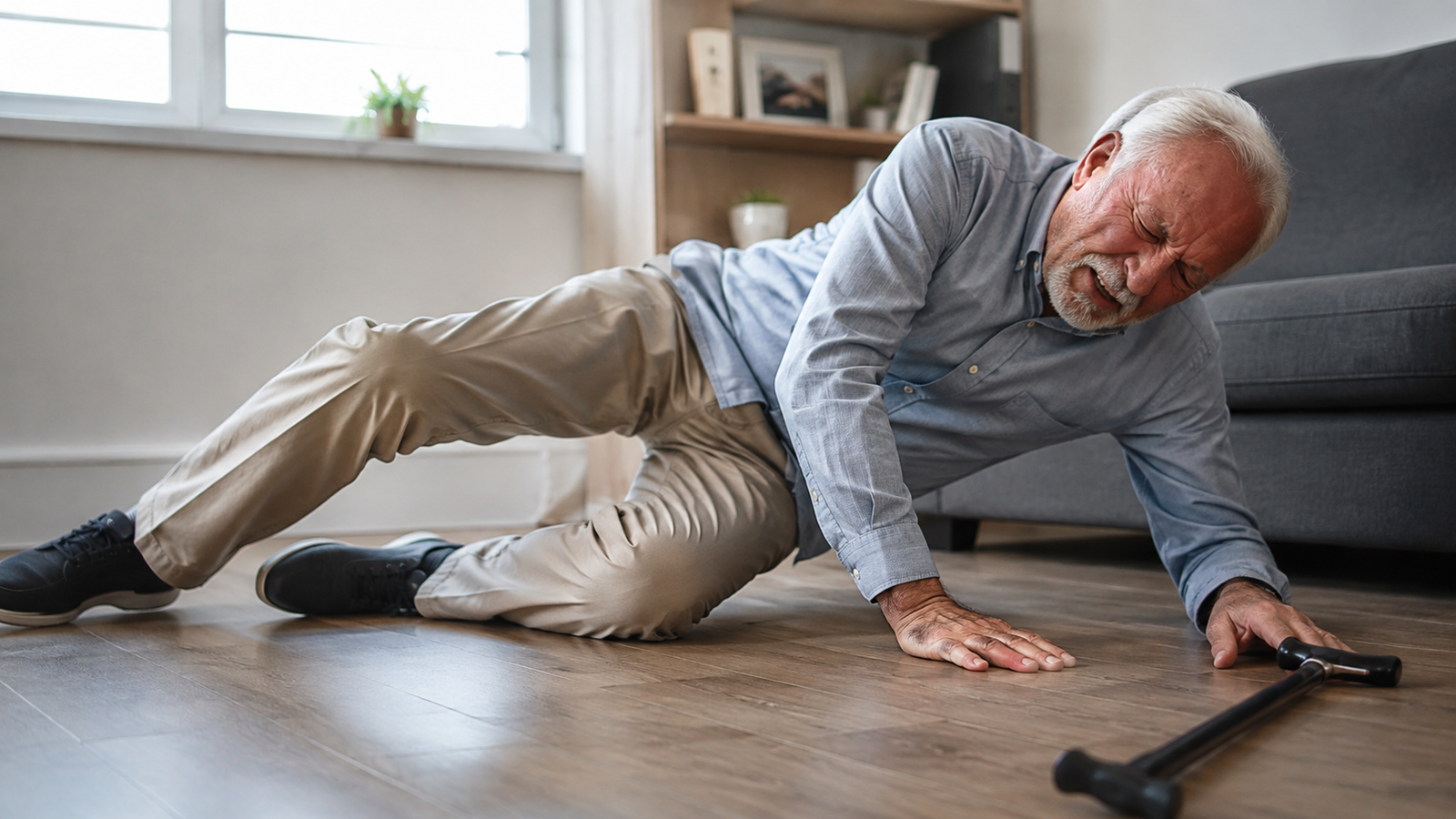
You avoid getting down on the floor because you already know how hard it will be to get back up.
Then you start making different decisions.
"I'll skip the walk today."
"Maybe I'll go next time."
"I don't want to make my knee worse."
"Can you help me get up?"
And eventually, the pain isn't the only thing you're thinking about.
You start wondering how much independence you'll have left if the damage inside your joints keeps progressing.
Because the real fear isn't waking up with pain.
It's waking up one day and realizing you can no longer do things you once did without thinking.
Will you still be able to drive? Walk around the neighborhood? Work in the garden? Travel? Play with your grandchildren? Get out of a chair without someone watching?
Because that's the part people don't always talk about. Joint pain can slowly turn an independent person into someone who has to ask for help with ordinary things.
And once that starts happening... the fear becomes bigger than the pain itself.
You don't want to spend the next few years adapting your life around your joints.
You want your freedom of movement back.
That's why the search for a joint pain treatment isn't really a search for "less pain." It's a search for your independence.
▶ SEE A DIFFERENT APPROACH TO JOINT PAINThe Joint-Pain Industry Has Taught You To Manage The Pain. But Who Is Asking What Happens To The Joint?
When joint pain starts interfering with your life, you're usually given the same options:
Painkillers. Injections. Anti-inflammatory drugs. More medication. And eventually, surgery.
You manage the symptoms.
The relief wears off.
The pain comes back.
And you start looking for the next treatment.
That's the cycle the joint-pain industry has built an entire business around.
The presentation you're about to watch challenges that cycle by asking a different question:
What if the goal shouldn't be to simply manage joint pain... but to support the body's ability to restore healthier joint function?
That's where the morning ritual comes in.
Instead of simply focusing on temporary relief, the presentation introduces a different way of thinking about painful, stiff joints — with a simple morning ritual at the center of the approach.
That's why this approach has attracted attention: it starts with a very different idea about what's happening inside those joints.
A Simple Morning Ritual Built Around A Different Approach To Joint Pain
The presentation introduces a simple at-home ritual designed around a different way of approaching painful and stiff joints.
It isn't presented as another way to temporarily mask discomfort.
It's an at-home ritual. Simple enough to become part of your morning. Designed for people dealing with:
- Joint pain
- Joint stiffness
- Aching knees
- Hip discomfort
- Reduced mobility
- Everyday limitations caused by painful joints
The presentation explains why its creators believe this approach may support healthier joint function and mobility — without revealing the full protocol here.
This is why the ritual has attracted attention from people who have already tried conventional joint pain treatments.
The Presentation Explains Why Some People Reported Noticeable Changes In Mobility Within The First 48 Hours.
But the important part isn't the number.
It's understanding what makes this approach different from conventional joint pain treatment.
The full explanation of what makes the ritual different — and why it may help support healthier joint function — is revealed inside the presentation.
▶ SEE HOW THE JOINT PAIN TREATMENT WORKSWhat They Wanted Wasn't Just Less Joint Pain. It Was Their Independence Back.

"I had reached the point where I thought twice before taking the stairs or going for a walk. Even simple plans with my family started feeling like work.
Then I discovered the morning ritual and learned why this approach to joint pain was different from what I'd tried before. I decided to follow it consistently.
What surprised me most was getting back to things I'd quietly stopped doing.
I wasn't just thinking about my joints anymore. I was thinking about what I wanted to do that day."

"The pain was frustrating, but what really scared me was becoming dependent on my family. I didn't want to reach the point where I needed help getting around the house or doing ordinary things.
The morning ritual caught my attention because it was simple enough to actually fit into my routine.
After following the approach, I started feeling more confident about moving again and began doing more of the things I'd been avoiding.
For me, that feeling of independence was worth everything."

"I'd tried different ways to deal with my joint pain, and honestly, I was tired of getting my hopes up.
Then I came across the presentation explaining the morning ritual. Something about the approach made sense to me, so I decided to give it a real chance.
Over time, I noticed I was moving more comfortably and wasn't spending my entire day thinking about stiffness.
The biggest surprise was realizing I actually felt hopeful about my joints again."
"I had stopped doing some of my favorite things because I already knew how my joints would feel afterward. I hated that my world was getting smaller.
When I learned about the morning ritual, I wanted to understand what made this joint pain treatment different.
After following the approach, I gradually started doing more — spending more time outside, moving around the house and getting back to activities I'd been avoiding.
One day I realized I wasn't organizing my day around my joints anymore. That was the change I wanted most."
Maybe you don't need to accept a smaller life.
Maybe The Question Isn't Whether You Can Live With Joint Pain.
You've already proven that you can.
The better question is:
How much of your independence are you willing to give up before looking for a different answer?
Because every year spent adapting to joint pain can mean another year of:
Less walking.
Less movement.
Less spontaneity.
Less independence.
And more moments where you quietly think:
"I used to be able to do that."
The presentation you're about to watch was created for people who aren't ready to accept that as their future.
The presentation you're about to watch reveals why its creators believe conventional approaches have been missing something important about painful, stiff joints...
And why a simple morning ritual has become the center of their alternative approach.
The explanation is inside the presentation.
You don't need to believe it yet.
Just see what they discovered.
▶ DISCOVER THE APPROACH BEHIND THIS JOINT PAIN TREATMENTFrequently Asked Questions
What Is A Joint Pain Treatment?
Joint pain treatment refers to approaches intended to address discomfort, stiffness and reduced mobility associated with painful joints. The presentation introduces a different approach centered around a simple morning ritual.
What Is A Joint Stiffness Treatment?
A joint stiffness treatment is an approach intended to support mobility and comfort when stiff joints make everyday movement more difficult. The presentation explains the approach behind the morning ritual.
Can A Natural Approach Help With Joint Pain?
The presentation explores a natural approach designed to support healthier joint function and mobility. It explains why its creators believe this approach may be different from conventional ways of managing joint discomfort.
What Makes This Joint Pain Treatment Different?
The presentation introduces a simple morning ritual based on a different way of approaching painful and stiff joints. The full explanation is revealed inside the presentation.
How Can I Learn More About This Joint Pain Treatment?
The full presentation explains the morning ritual, the thinking behind the approach and why it may be relevant for people dealing with persistent joint pain and stiffness.